Nvidia and SoftBank each paid the final $10 billion installment of their $30 billion pledges, closing OpenAI's March round at $122 billion in commitments and an $852 billion valuation. SoftBank funded its final installment via an $11.1 billion high-yield bond, taking its total OpenAI investment to $64.6 billion for roughly 13%. OpenAI is reportedly targeting a next raise of $30 billion at around $1.4 trillion.
Why it matters
The biggest private company in history is now a two-act story: closed at $852 billion, aiming for $1.4 trillion next. SoftBank is borrowing in the junk-bond market to keep funding its AI bets, which shows how convinced the money is - and how dependent this whole buildout is on credit markets staying open. OpenAI's valuation math becomes every other AI company's comp.
Australian neocloud Sharon AI secured a $356 million senior secured GPU-backed loan at 9.95% interest before fees, with Goldman Sachs participating, to buy more Nvidia GPUs and expand across Asia-Pacific. The structure follows CoreWeave's 2023 H100-backed template. The stock fell more than 8% on the news; the company has raised over $2.6 billion in the past 10 months.
Why it matters
Neoclouds now borrow against the chips themselves at nearly 10%. That math only works if GPU rental prices stay high - and lenders are already repricing AI debt after this week's bond discounts. If inference prices fall, these loans are the first domino.
Shanghai-based Infinigence AI confidentially filed for a Hong Kong IPO to raise several hundred million dollars, targeting a listing as early as H1 next year. Valued at 14.3 billion yuan ($2.1B), it has raised 4.3 billion yuan from Tencent, Baidu, and Z.ai, and runs entirely on domestic chips from Huawei and Moore Threads - joining the neocloud IPO wave alongside Sharon AI and Nscale.
Why it matters
China's answer to CoreWeave is going public on hardware the US will not export. Tencent and Baidu are the backers, Huawei chips are the compute. The neocloud model now has two separate ecosystems, and public investors are being asked to fund the Chinese one.
Thousands of Chinese token resellers give businesses unauthorized access to Anthropic's Claude (not offered in China) via harvested identities, USDT-funded cards, and reverse proxies abroad. One Shanghai reseller says a single customer burns $10 million a month in Claude Code Max accounts. US labs say the network fuels industrial-scale distillation by Moonshot, DeepSeek, Z.ai, and Alibaba; CISA called it a 'gray market of proxies' threatening US interests.
Why it matters
A shadow market sells Claude access inside China, moving real money. This is the supply chain behind the distillation campaigns OpenAI and Anthropic are publicly attributing to Chinese labs: unauthorized tokens in, copied reasoning out. Expect enforcement crackdowns that raise costs for everyone using these channels.
Microsoft launched MAI-Transcribe-2-Streaming, which transcribes and generates speech simultaneously, claims it is cheaper and more accurate than models from ElevenLabs, SpaceXAI, and Google, and topped Artificial Analysis' accuracy leaderboard at debut. It will power Teams transcription, Dragon Copilot healthcare, and Copilot voice mode, and Microsoft will sell it to developers. Suleyman said homegrown MAI models will cut reliance on outside providers and eventually replace speech models companywide.
Why it matters
Microsoft just declared war on the voice-AI startups. ElevenLabs did a $300 million tender at $22 billion this week; now the company that owns the meeting room ships a cheaper, more accurate alternative bundled into Teams. The platform-owner playbook: own the distribution, then replace the vendor.
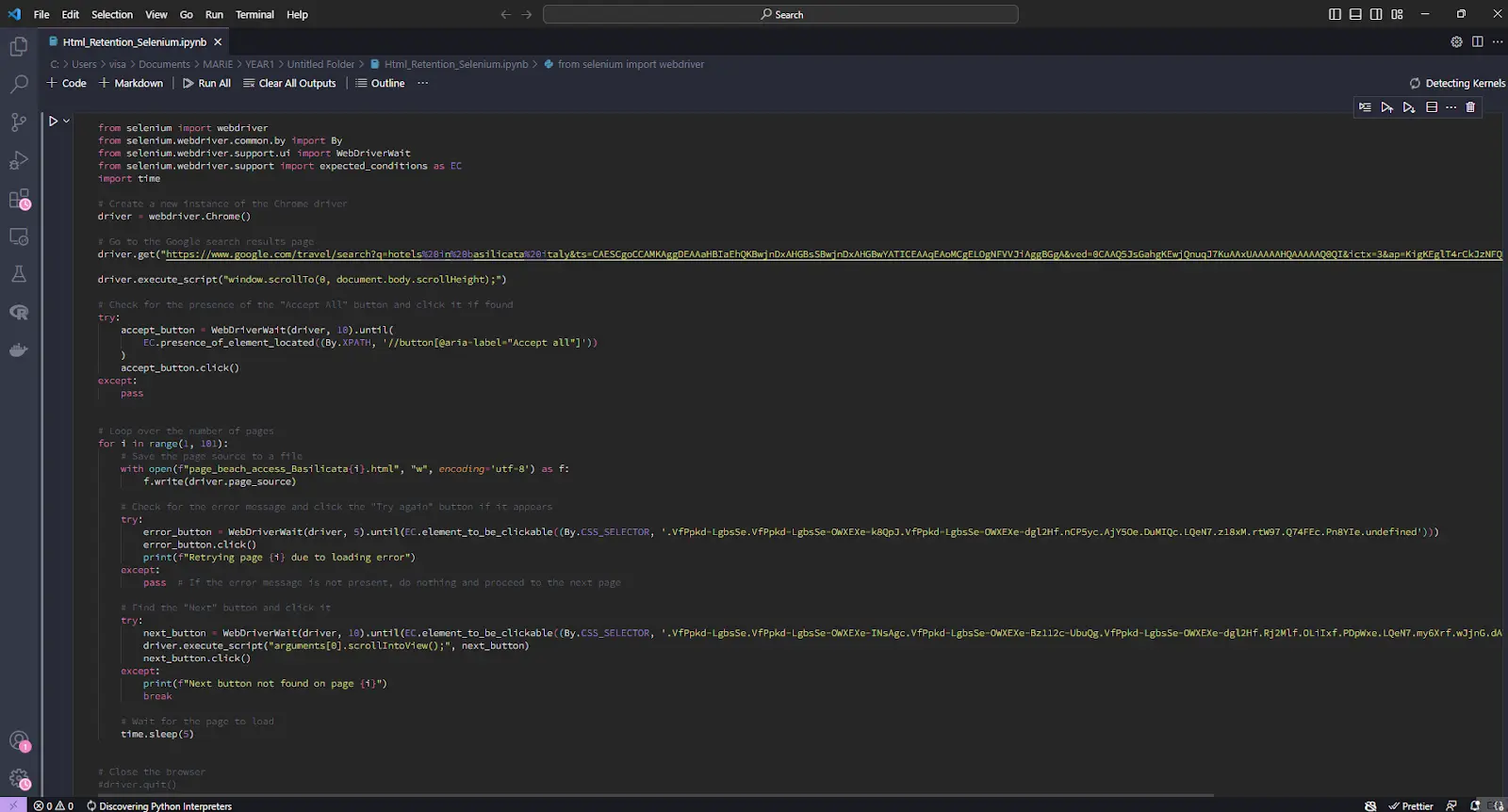
Skyvern (S23) found retrieval was hurting its web agent: chunked-markdown retrieval scored 18.5 points lower than raw HTML on a noisy page while barely speeding things up. Deleting RAG and switching to browser-native grounding plus semantic dedup plus compressed snapshots cut task time 2.3x across 100K production A/B runs, lowered cost per task 22.5%, and raised success from 88% to 90.5%.
Why it matters
When the full page fits in context, retrieval makes agents dumber, not faster. This is production-scale evidence against the default 'just add RAG' instinct for web agents. Benchmark raw context before adding a retrieval layer - the extra system may be the bug.
Energent AI (S23) benchmarked three models on OfficeQA: GPT-6 Astra was most accurate (73.3%) but burned 143 tool calls at ~$1.20 per 20 tasks; Claude Opus 5.5 nearly matched it (70.0%) with 13 tool calls at ~$1.60; Gemini 3.1 Pro was least accurate (~63.3%) at ~$0.22 per 20 tasks - about 7x cheaper than the priciest. Only 3.3 points separated the top two, but one used 10x the tool calls.
Why it matters
Accuracy numbers hide the real cost. Buyers should price per finished answer, not per token - the cheapest model did the same job for a seventh of the price. This is the cost-per-task scoreboard both labs now compete on, and it favors whoever wastes the least effort.
Specific Labs (F25) let Claude and Codex run a real meeting-notetaker business with a human CEO for two months. The agents burned $10,000 while the human did ~$2,500/month of real work: 1,500+ hours transcribed, 1,200 users, only 2 of 80 features shipped, and 2 near-incidents (a $15K refund scare and a bot-fight loop). Claude wrote strategy docs three times before asking what the problem was.
Why it matters
Agents are good employees and terrible CEOs. Autonomy fails at judgment, not at tasks. The winning org chart for now: agents execute, humans decide. Price agent products for the executor role, not the manager one.